
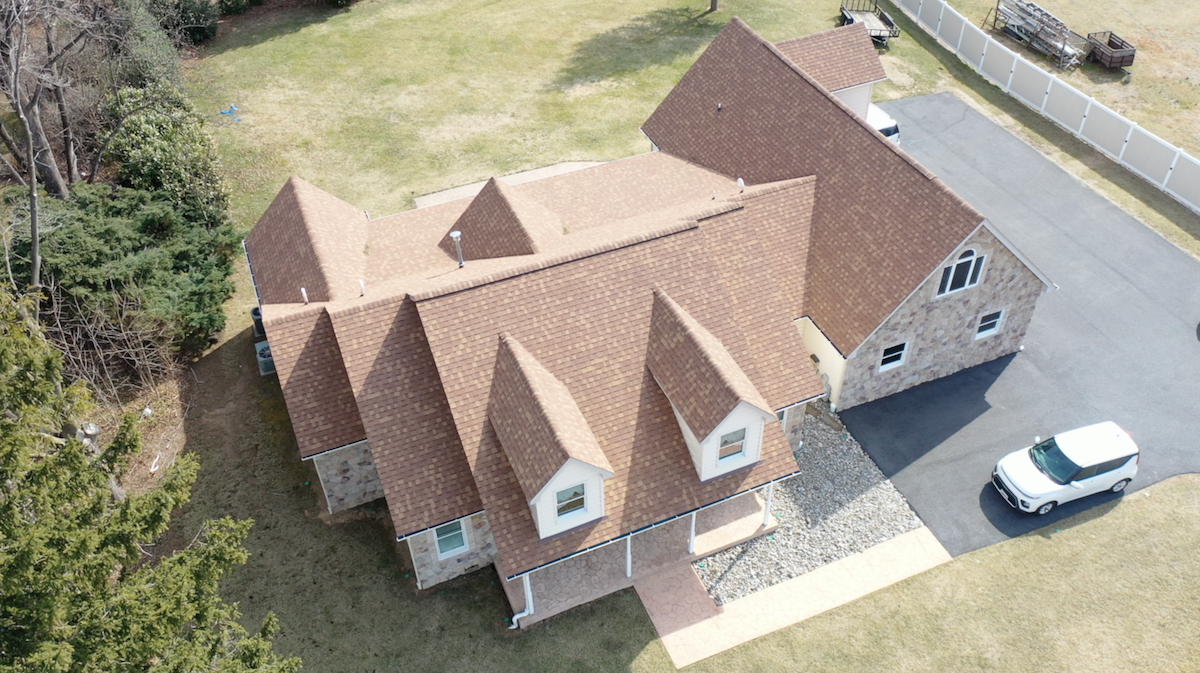
How Long Does a Roof Last in Maryland?
How long a roof lasts seems simple, but the real answer depends on several technical factors. Roofs don’t age at the same pace, and we see this every day in the field. Longevity is shaped by four core elements:
- The roofing material
- The precision of the installation
- The ventilation beneath the roof deck
- The consistency of ongoing repair
Our team at Harford Roofing has inspected thousands of roofs, which makes the pattern clear. Roofs installed and ventilated correctly last far longer than roofs missing one of these components. When these four elements align, roofs reach their full life expectancy. When one fails, deterioration starts early. The good news is that you can often prolong the viability of your roof, even if it’s near the end, with proper maintenance. In this blog, we’ll discuss how long each type of roof system lasts, what causes a roof to age faster, and how to prevent those issues so you get as much protection out of your roof as possible.
How Long Does a Roof Last?
This video from our owner breaks down how long roofs last in Maryland and what actually determines their service lifetime.
What Is the Average Lifespan for Different Roof Types?
Below, we’ll go into the average lifespan of various roof types as well as how to spot signs of an aging roof.
Asphalt Shingle Roofs
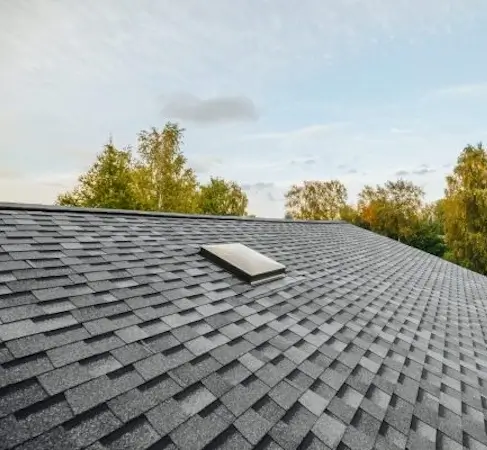
Most Maryland homes rely on asphalt shingles, so their longevity matters to almost everyone. Many older homes still feature three-tab shingles, with an expected durability of 20 to 25 years in this climate. Their age shortens faster when ventilation is poor or when strong storms pull up weakened tabs.
Architectural shingles are the common upgrade chosen for superior durability. A high-quality architectural shingle like the GAF HDZ can last well over 30 years. Homeowners often choose it for the added toughness and the 50-year manufacturer warranty available exclusively through certified installers. That full warranty offers essential peace of mind because Maryland weather changes so often.
As they age, the signs appear gradually. Granules collect in gutters, edges curl, tabs lift, and necessary repairs become more frequent. These visual changes allow homeowners to recognize when the roof is clearly approaching the end of its service life.
Metal Roofs
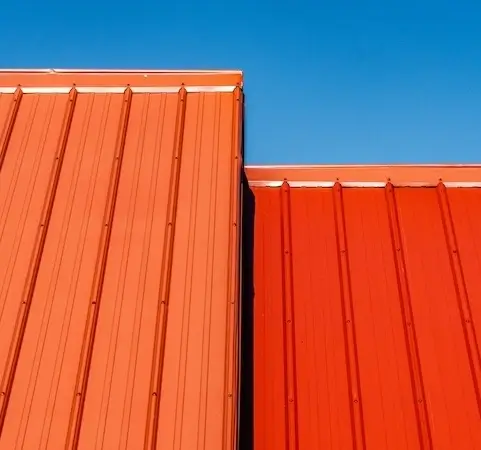
For homeowners looking beyond shingles, metal roofing offers much longer durability. Many metal systems reach 40 to 70 years when installed and properly maintained. Metal resists wind, rain, and temperature swings with greater stability than other roofing materials.
Metal roofs show age differently than shingles. Instead of granule loss, the paint finish may fade, fasteners can loosen, and sealants may dry out and crack. Despite these changes, a well-installed metal roof continues performing reliably for decades.
Flat Roofs
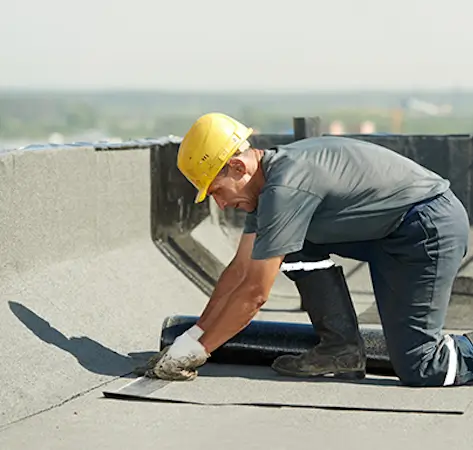
Many additions, porches, and commercial buildings in Maryland rely on flat roofing systems. Their longevity varies by material: Built-up and modified bitumen roofs often last 15 to 20 years. Modern single-ply membranes can last significantly longer with proper installation.
TPO and EPDM are the most common single-ply options today. A well-installed membrane can last 20 to 30 years. Flat roofs age primarily through splits, blistering, exposed seams, and soft spots. These problems usually show up before major leaks, which gives homeowners essential time to plan a repair or replacement.
Slate Roofs
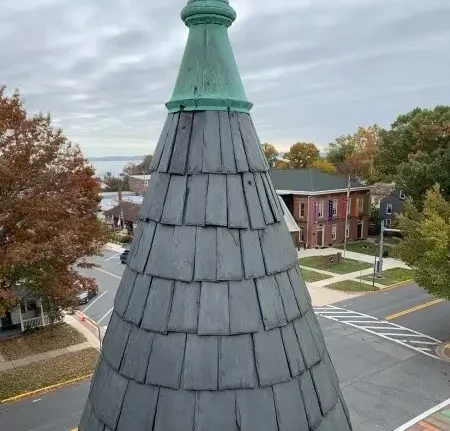
Slate remains the most durable roofing material used in this region. A properly installed slate roof can last anywhere from 50 to 100 years. Many historic Maryland properties still carry their original slate, a testament to how long the material can endure when maintained correctly.
Slate itself ages slowly, meaning most problems arise from the accessory components. When copper flashings wear out, leaks follow. Replacing those flashings at the right time ensures preservation of the roof and adds decades of extra life. Because slate is heavy and requires precise work, installation quality matters more than anything else. A slate roof installed correctly truly becomes a lifetime system for the home.
How to Make Yours Last Longer
Every roof has a natural lifespan, but small habits can make a big difference in how long it actually lasts. A few practical steps will keep the system in better shape and help you get the most value from it.
Start by ensuring your home has proper drainage. Clean gutters allow water to flow freely and prevent runoff from creeping under shingles. Similarly, trimming nearby branches reduces debris buildup and prevents limbs from rubbing or lifting the shingle.
Attic insulation and ventilation play a crucial, combined role. Good insulation reduces heat transfer and keeps the shingle surface cooler and more flexible, while also controlling moisture inside the attic. Ridge vents and steady airflow improve circulation, preventing premature aging of materials from the underside.
Most importantly, regular maintenance becomes critical as a roof gets older. Small items like flashing around pipes can wear out and create slow, expensive leaks. With proper care, you can catch these issues early and get more years out of your roof before replacement becomes necessary.
During these checkups, it helps to look for:
- Loose shingle tabs
- Lifted edges or ridge caps
- Cracks in flashing caulk
- Damage or aging on pipe collar flashing
- Issues with the chimney cap
- Missing or cracked mortar on a brick chimney
- Nail pops or raised fasteners
Specialized Roofing Components and the Inspection Cycle
Many homeowners focus solely on the shingle or membrane, but the actual failure points that cause leaks and shorten roof life are often the non-shingle accessories.
- Pipe Boots and Vents: Made primarily of plastic and rubber, these components are often the first elements to fail. UV exposure and dry rot cause the material to crack long before the shingles show visible wear, creating early entry points for water. Moisture can also seep in from the sides if the edges around the boot were not covered correctly or if nearby shingles begin lifting as the caulk fades. These small gaps allow water to slide beneath the roofing surface and cause hidden damage that grows more expensive the longer it goes unnoticed.
- Exposed Sealant Vulnerability: Caulk around ridge vents, counter flashing, and skylights plays a key role in keeping water out. As sealant ages, it dries, cracks, and pulls away from the surface, which opens slow entry points for water. These small failures often go unnoticed until leaks appear inside the home. When caulk begins to fail, moisture can work underneath the roofing system and create damage that shortens the roof’s durability and leads to costly repairs if not addressed early.
- Hidden Tab Weakness: Loose shingle tabs can sit flat against the roof, making them almost impossible to see from the ground. These tabs lift during storms and allow water to push underneath the shingle layer. The only reliable way to find them is by walking the roof and gently tapping along the surface, which helps reveal spots where tabs are not fully secured. Once identified, each loose tab needs a small dab of roofing caulk to hold it down and prevent future wind damage or hidden leaks.
How Maryland’s Weather Conditions Impact Roof Life
Maryland’s weather conditions present unique challenges that actively shorten the protection of any roofing material. Understanding these threats is crucial for choosing the right system:
- Ice Damming: During cold Maryland winters, inadequate attic insulation and ventilation can cause snowmelt to refreeze at the cold eaves, creating ice dams. These dams force water to back up under the shingles, leading to severe deck and wall damage.
- Algae and Moss Growth: The humidity in our region promotes the growth of Gloeocapsa magma (the bacteria that causes black streaks). This algae actively holds moisture, speeding up the degradation of asphalt shingles and reducing the aesthetic and functional durability of the roof.
- Hail and Wind Classification: High-quality shingle is rated to withstand specific wind speeds (like the GAF 130 mph rating) or possess a Class 4 Hail Rating. Choosing materials that meet these tough classifications is the best way to ensure the roof can handle extreme Maryland weather events without suffering premature damage.

How to Tell When a Roof Is Getting Old
Roofing materials usually show early warning signs long before major failure. Each material ages in its own way, so it helps to know what to look for.
Signs of Aging on Shingle Roofs
Shingle roofs often reveal age through several visible changes:
- Granules collecting in gutters or on the ground
- Patchy or uneven shingle color
- Curled or lifted shingle edges
- Tabs that loosen or flap during storms
- Soft areas where the decking may be weakening
Signs of Aging on Slate Roofs
Slate lasts much longer but still shows clear clues when it’s nearing the end of its reliable service:
- Cracked or broken pieces
- Slate tiles that slip out of place
- Copper or steel flashing beginning to fail
- Missing slate tiles after storms
- Visible gaps around roof penetrations
Signs of Aging on Metal Roofs
Metal roofs age differently, with issues often tied to fasteners and sealant:
- Fading or chalking paint finish
- Loose or backed-out screws
- Dry or cracking sealant at seams
- Panels that shift or become noisy in high wind
- Rust spots around penetrations
Signs of Aging on Flat Roofs
Flat roofing systems show wear in very predictable ways:
- Soft or spongy areas
- Blisters or bubbling in the membrane
- Exposed seams or loose lap joints
- Ponding water that remains longer than a day
- Cracked flashing around walls or penetrations
Roof Age Versus Roof Condition
It is important for homeowners to understand that age only offers a rough timeline, while the roof’s condition tells the real story. The true roof lifespan is determined by the material’s current state. For example, a roof can be older yet still sturdy or fairly new and already struggling. This disparity is often due to exposure: a south-facing slope receives more intense heat and ages faster, while shaded areas often last longer. Similarly, homes near trees collect more debris and moisture, speeding up deterioration. Therefore, visible signs like granule loss, brittle shingles, rusted flashings, and cracked pipe boots give a much better picture of remaining life than the roof’s age alone. Additionally, if the general field of your roof is still in good condition, you can often gain several extra years by completing a roof tune-up. This includes addressing ventilation issues, replacing worn pipe and vent flashing, and re-caulking or securing any flashing that needs attention.
What Homeowners Should Do When a Roof Is Nearing Its End
Once a roof begins showing clear signs of age or wear, the most important step is to start planning early. Begin immediately by documenting what you see; note any missing shingles, dark areas, sagging spots, or recurring leaks. Taking photos makes it significantly easier to track changes and discuss issues with a professional.
Next, schedule a professional assessment. A certified roofer can accurately estimate the remaining functional life of your roof and clearly outline viable roof maintenance or replacement options. This early evaluation is crucial, as it helps homeowners avoid the stress and high cost of emergency replacements right after major storms or unexpected failures.
Finally, be selective when gathering estimates. Always choose companies that hold enhanced manufacturer certifications. Certified installers can offer better warranties and are obligated to follow strict installing standards. When reviewing proposals, compare the ventilation plans, flashing methods, and the exact materials listed in each document. The contractor who explains the process thoroughly is the safest choice for your long-term investment.
Why Installation Quality Changes Roof Lifespan
Installation quality is the most critical factor determining the long-term performance and durability of any roof. Even the best materials will fail prematurely if they are not installed correctly, which is why this foundation is so vital. For instance, correct nail placement is essential, as it prevents shingles from lifting during storms; conversely, incorrect placement or depth causes early blow-offs and weakens the shingle mat.
Flashing also critically impacts durability. Flashing acts as the primary defense for the areas most likely to leak, including chimneys, valleys, and walls. If flashing is installed loosely or lies flat, water can easily enter the structure and create hidden, long-term damage.
Finally, proper ventilation completes the system. Heat and moisture weaken materials from below and reduce deck strength. Balanced intake and exhaust ventilation keeps the roof deck dry and helps all materials age more slowly. When you work with a certified roofer, they ensure the entire roof is installed as a comprehensive system, which protects its maximum usage and keeps you eligible for the best manufacturer warranties.
Your Next Step for a Longer-Lasting Roof
Taking the next step toward a longer-lasting roof starts with choosing a team that understands how each system ages. Harford Roofing brings the training and certifications needed to support that full lifetime. Our team is CertainTeed Shingle Master Certified, GAF Certified, and a Tamko Pro Elite contractor. These credentials reflect the standards we follow on every project, whether we’re installing a new system or extending the lifespan of an existing one.
We offer full inspections, roof repairs, tune-ups, and maintenance for shingle, slate, metal, and flat roofs. Our technicians know how each material ages and where problems typically begin, which allows us to catch issues early and help homeowners make informed decisions.
If your roof is showing signs of age or if you simply want peace of mind, schedule an inspection with Harford Roofing. We will help you understand the condition of your roof, discuss your options clearly, and provide the support needed to keep your home protected for years to come.

1 Comment
Comments are closed.